

Cilento Vacation
Practical guide to make the most of your holidays in Palinuro by visiting Cilento from the sea to the hills, starting right from your beach house in Palinuro.
Holidays in Palinuro, discover all the beauty of CilentoCilento is certainly one of the most beautiful areas to visit in Campania, allowing yourself to be enchanted by the charm of the internal landscape and seduced by the beauty of its coast which sinks into one of the cleanest seas in Italy.
There are many places of tourist interest in Cilento that can be reached and visited starting from our seaside houses in Palinuro.
We have created this page to offer all guests of Palinuro Holiday Houses a guide to Cilento, on things to do and on the most interesting places to visit in Cilento, to make the holiday in Palinuro unique, the trip unforgettable and the stay at the our houses by the sea.
Dream holidays in Palinuro.
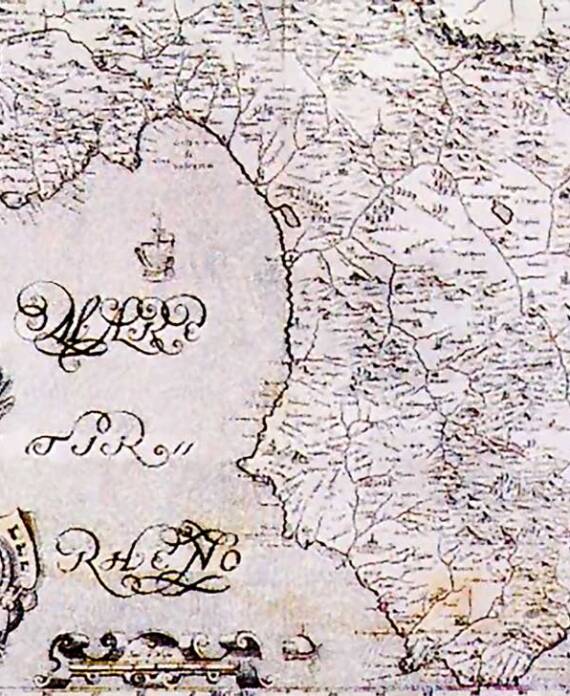
There is nothing more beautiful than the holidays in Palinuro, a place located in an area declared a World Heritage Site by UNESCO. The Cilento is a mountainous area in the southern area of the Campania region, in the province of Salerno which in the past, with the Vallo di Diano, was part of the Citeriore Principality or “Western Lucania”.
The Cilento territory was located between the villages at the foot of the Monte della Stella, part of the Barony of Cilento of the Sanseverino branch, until the creation of the Cilento, Vallo di Diano and Alburni National Park. At the end of the 19th century it united with the area of the Lucania valley east of the river, an area which today bears the name of Cilento Antico, distinct from the entire Cilento National Park.
The accents of the dialect spoken in the villages of Monte Stella such as Omignano, Stella Cilento and Sessa Cilento, the gastronomic traditions and the toponymy (Vallo della Lucania, Atena Lucana) are tangible signs of an ancient belonging of Cilento to Lucania, with the Vallo di Diano and the gulf of Policastro.
legends and mythology
Trascorrere una vacanza in Cilento vuol dire scegliere un luogo che è da sempre fonte di Ispirazione per poeti e cantori. Il Cilento infatti, vede molti dei miti greci e romani ambientati proprio sulle sue coste.
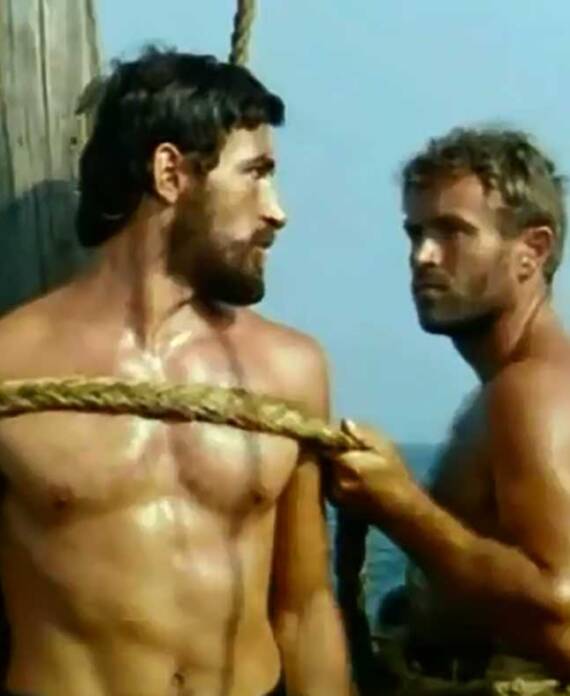
Il più famoso è probabilmente quello dell’isola delle sirene, nell’Odissea di Omero, che con il proprio canto riuscivano ad attirare i marinai di passaggio facendoli infrangere con le imbarcazioni sugli scogli.
L’isoletta in questione, probabilmente a sud nei pressi di Castellabate, è quella di fronte a Punta Licosa, dove Ulisse si fece legare alla sua imbarcazione per ascoltare il canto di quelle creature ingannevoli.
Un secondo mito ha come scenario l’attuale Santuario di Hera Argiva, dove Giasone e gli Argonauti, fuggiti dalla Colchide, per accattivarsi la dea Era si fermarono presso il suo santuario alla foce del fiume Sele. Altro importante mito è quello del nocchiero di Enea, Palinuro che cadde in mare mentre era in viaggio verso le coste del Lazio e, aggrappato al relitto, combatté per tre giorni contro la furia delle onde, ma quando ormai era quasi in salvo sulla riva, fu ucciso brutalmente dagli abitanti di quei luoghi. Così quel promontorio assunse il nome di Capo Palinuro.
Holidays in Palinuro between rituals and traditions
The Cilento villages are characterized by ancient peasant traditions, also imported by the Greek colonists who arrived there almost 3000 years ago and which will make the holiday in Palinuro even more exciting.
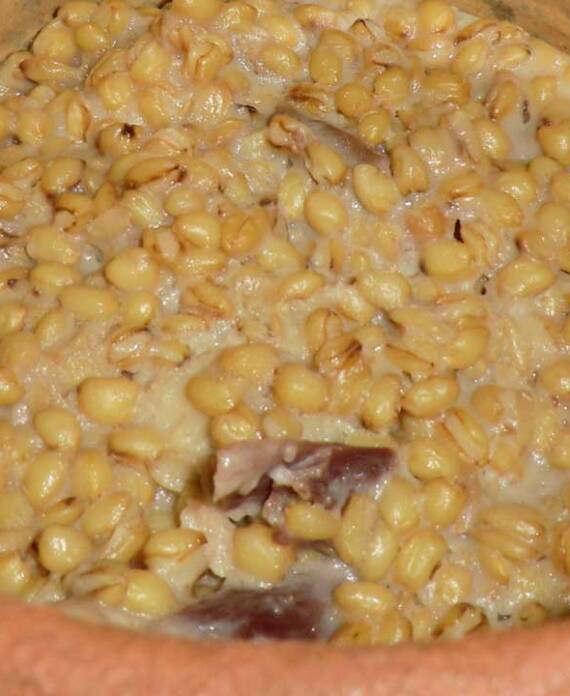
An example of this are the many folkloristic events handed down for centuries by the inhabitants of the Park, such as that of May 1st in Casaletto Spartano. Here groups of kids go from house to house to get 13 different types of legumes, which are prepared in a single container in the evening in the town square to be consumed as a wish for the prosperity of the crops.
This typical dish is consumed throughout Cilento, albeit with some variations, and in particular in the Gulf of Policastro, where it is called “Cuccìa” which means mixture.
Cuccia is a Cilento dish present in many folkloristic events, which in some cases characterizes its name, such as the Sagra della Cuccìa held every year in August in the town of Ispani.
The latter is known by different names depending on the place such as: “cicci maritati” in Castel San Lorenzo and Stio, “cecciata” in Cicerale, but also in Pellare, Moio and Vallo della Lucania. Cicci are instead cooked on the day of the dead in Castellabate.
In Capaccio Paestum, the gateway to Cilento, the promotion of the Cilento territory through the valorisation of typical products is entrusted to an important event which takes place every year during the last weekend of July and bears the name of Capaccio Porta del Cilento . A walk in the city center enlivened by local artists, music and folklore, where many Cilentan municipalities participate with their own gastronomic traditions.
In the Trentinara area, the terrace of Cilento, the Bread and Rural Civilization Festival takes place every year. Interesting for the arrangements and for the offer of typical local products, with popular songs and dances it represents a new way of offering visitors to their territory.
The traditional dish of Marina di Camerota is the “Ciambotta” or also “Ciammardola”, while the “Viviane”, pizza rolls stuffed with tomato and mozzarella and stuffed in different ways, represent another typical dish of Cilento, specifically of Palinuro.
On a religious level, the rites of Holy Week certainly demonstrate a further richness of Cilento traditions. An unforgettable experience for those who choose to spend their holidays in Cilento.
The tombs in the churches are decorated with wheat, Good Friday in Ancient Cilento is characterized by processions of the brotherhoods and visits to the tombs (subbúrchi in Cilento).
Each town has its own brotherhood which only in the evening, after having paid homage to the churches of neighboring towns, will return to their own for religious functions.
The processions are very suggestive. The brothers wear the classic habit with a white hood and short cape, of a different color based on the title. They recite a long psalm in Latin led by the prior to the rhythm of the blows of a stick. They kneel in pairs before the tomb to receive penance. The traditional greeting of the priors, when two brotherhoods meet at the exit of the churches, certainly represents the most evocative moment. At the end of the ceremony they are welcomed with sweets and wine by the villagers.
Culture and art in Cilento
Those who choose a holiday in Palinuro also do so to breathe in the history, art and culture of Cilento. In fact, there are several artistic and cultural contributions to the history of man in Cilento, whose presence has left evident traces already from the Middle Paleolithic to the Neolithic and up to the metal ages.
Remains of hominids have been found on the Cilento coast where the natural caves of Camerota offered the conditions for the development of the life of the first men.
Remains from the Stone Age have also been discovered in Palinuro, others still, dating back to the Paleolithic, have been found in the caves of Castelcivita, San Marco di Castellabate and San Giovanni a Piro, while in Capaccio and Paestum some from the Neolithic age have emerged.
Further discoveries of tools from neighboring regions demonstrate that Cilento already represented a focal point for exchanges and contact with other civilisations.
Between the 7th and 6th centuries BC. it was the turn of the Greeks who founded Posidonia (Paestum) and of the Phocians who were responsible for the birth of Elea (Roman Velia) where the Eleatic School of philosophy and the medical school were housed, from which the Salerno Medical School originated. Finally, in Paestum the art of minting money, which in turn was handed down by the Achaeans, was preserved.
A heritage of humanity to be protected
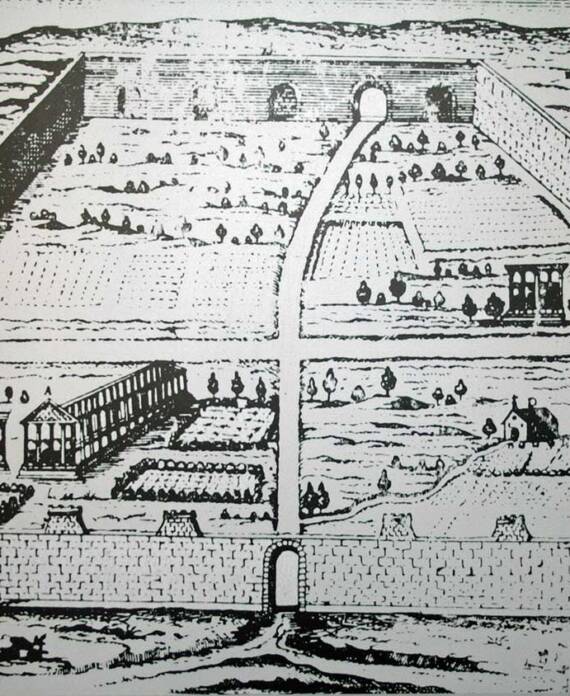
he history of Cilento is a mix of small and large events that reaches the present day with Roman events and medieval events that come together until the insurrection against Francis I of Bourbon, with the Cilento riots of 1828, the subsequent anti-Bourbon riots and then the adhesion to the unification of Italy was quickly followed by post-unification brigandage.
The protection of most of this rich and ancient culture of Cilento has been possible, starting from 1991, with the establishment of the Cilento and Vallo di Diano National Park and inclusion in the European network of Geoparks, in 2010. The Vallo della Lucania hosts the institutional headquarters of the park authority.
Since 1997, Cilento has been part of the Mab-UNESCO network of Biosphere Reserves, for the protection of biodiversity and the promotion of development compatible with the culture and nature of the place.
In 1998, Cilento was included in the list of world heritage sites, with the archaeological sites of Paestum, Velia and Vallo di Diano.
Precisely thanks to the protection of these places, even the holiday in Cilento is enriched and filled with invaluable added value.
Cilento municipalities to visit during your holidays in Palinuro
Durante le vacanze nel Cilento è possibile visitare numerosi comuni che sono suddivisi in 5 aree diverse che insieme occupano gran parte della provincia di Salerno: Alto Cilento (nucleo originario), Cilento Centrale, Basso Cilento, Valle del Calore e Alburni ed il Vallo di Diano.
Alto Cilento: Agropoli, Castellabate, Cicerale, Laureana Cilento, Lustra, Montecorice, Ogliastro Cilento, Prignano Cilento, Perdifumo, Rutino, Serramezzana, Sessa Cilento e Torchiara.
Cilento Centrale: Ascea, Cannalonga, Casal Velino, Castelnuovo Cilento, Ceraso, Gioi Cilento, Moio della Civitella, Novi Velia, Omignano, Orria, Perito, Pollica, Salento, San Mauro Cilento, Stella Cilento e Vallo della Lucania.
Basso Cilento: Alfano, Camerota, Casaletto Spartano, Caselle in Pittari, Celle di Bulgheria, Centola, Cuccaro Vetere, Futani, Ispani, Laurito, Montano Antilia, Morigerati, Pisciotta, Roccagloriosa, Rofrano, San Giovanni a Piro, San Mauro La Bruca, Santa Marina, Sapri, Torraca, Torre Orsaia, Tortorella e Vibonati.
Valle del Calore e Alburni: Albanella, Altavilla, Aquara, Auletta, Bellosguardo, Caggiano, Campora, Capaccio, Castel San Lorenzo, Castelcivita, Controne, Corleto Monforte, Felitto, Giungano, Laurino, Magliano Vetere, Monteforte Cilento, Ottati, Petina, Piaggine, Postiglione, Roccadaspide, Roscigno, Sacco, Salvitelle, Sant’Angelo a Fasanella, Serre, Sicignano degli Alburni, Stio, Trentinara e Valle dell’Angelo.
Vallo di Diano: Atena Lucana, Buonabitacolo, Casalbuono, Monte San Giacomo, Montesano sulla Marcellana, Padula, Pertosa, Polla, Sala Consilina, San Pietro al Tanagro, San Rufo, Sant’Arsenio, Sanza, Sassano e Teggiano.